Luxury Custom Home Builder
Peters Custom Homes
Designs and builds one-of-a-kind custom estates across the Charlotte area, from lot evaluation and plans through construction and closeout.
Visit Peters Custom Homes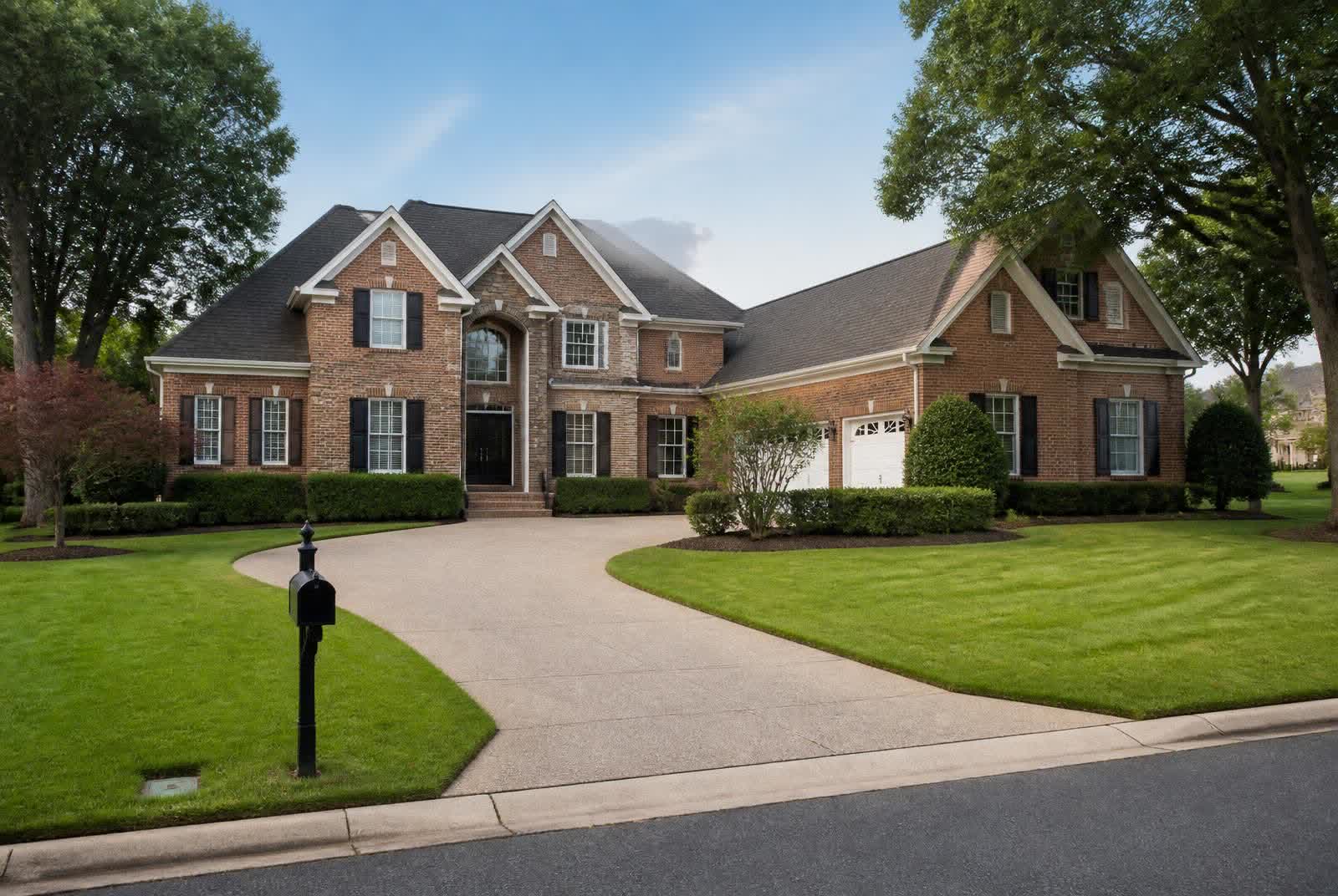
An honest, category-by-category look at household costs in the Village of Marvin — where the premium really sits, where Marvin is simply average for the Charlotte metro, and which numbers you should verify before you commit.
Strip out the mortgage and the tax bill and Marvin costs about what the rest of south Charlotte costs. Groceries, gas, restaurants, childcare, and services all price to the metro, because residents shop in Waxhaw, Wesley Chapel, Ballantyne, and Waverly like everyone else in the corridor.
What is genuinely different is the cost of shelter. Zoning that protects large lots and open space also limits supply, and the housing that gets built here is custom-grade — current Charlotte-area cost-to-build data is a useful sanity check before budgeting a Marvin lot. Add a nationally recognized public school chain and the result is sustained price pressure — the defining economic fact of the village.
Marvin's zoning favors large lots, and its inventory skews toward custom and semi-custom homes. That combination means the median sale price in the village runs far above Union County as a whole. Expect a wide spread between an established home on a smaller interior lot and new construction on multiple acres inside a gated community.
You pay Union County plus the Village of Marvin, both per $100 of assessed value. Reappraisal cycles can move assessed value sharply between years, which is the single most common budgeting surprise for new residents. Ask for the prior year's actual bill on any home you are evaluating.
Dues depend entirely on amenities. Acreage neighborhoods with a shared entrance and common area sit at the low end; gated communities with staffed amenities sit far higher. Country club or golf memberships in nearby clubs are optional and priced separately, often with initiation costs.
Summer cooling and winter heating drive the swing. Larger homes on larger lots mean higher HVAC load and, frequently, irrigation costs during dry late summers. Homes on well and septic have no monthly water bill but should budget for pump maintenance, filtration, and periodic septic service.
Homeowners premiums scale with replacement cost, so high-value custom homes carry higher premiums. Marvin is inland, well away from coastal wind exposure, but hail, wind, and mature-tree risk are real considerations in the Piedmont.
There is no fixed-route transit in Marvin. Plan on one vehicle per driving adult, with mileage tied to Ballantyne, SouthPark, or uptown commuting. Fuel and vehicle costs are ordinary for the metro; the volume of driving is what is above average.
Groceries, dining, childcare, and personal services price in line with the greater Charlotte market rather than at a village premium, since most shopping happens in Waxhaw, Wesley Chapel, Ballantyne, or Waverly.
The Marvin Elementary, Marvin Ridge Middle, and Marvin Ridge High chain is public and tuition-free, which is a meaningful part of Marvin's value proposition. Families still budget for activities, athletics, instruments, tutoring, and travel sports, which run high in this corridor.
Directional comparison only — relative positioning of housing cost and the factors that drive it. Actual figures move with each market cycle and each county reappraisal.
This page is general information, not financial, tax, or real estate advice. See the full disclaimer.
Go straight to the agencies and providers that set the numbers.
Reviewed for accuracy by the Living in Marvin, NC Editorial Desk — Local Editorial & Research Team, researching Marvin, North Carolina and Union County sources.
Last reviewed
This guide is connected to the Peters family businesses below. If you are building, furnishing, buying, or selling a home in Marvin, each one is a single click away.
Designs and builds one-of-a-kind custom estates across the Charlotte area, from lot evaluation and plans through construction and closeout.
Visit Peters Custom HomesBuilds finished luxury homes on speculation — designed and completed ahead of a buyer, for households who want a new home without managing a custom build.
Visit Peters Signature HomesA Charlotte interior design studio led by Miriam Peters, working on custom homes, renovations, and new construction — finishes, furnishings, and full-home interiors.
Visit Emerald & Oak DesignPrivate luxury real estate representation for buyers and sellers, led by Nicholas and Miriam Peters, focused on the upper end of the Charlotte-area market.
Visit Peters & Associates luxury real estateResidential buying and selling across Charlotte and Lake Norman, with a home search and home-valuation tools — the broader-market side of the Peters real estate practice.
Visit The Peters TeamHome theaters, smart-home control, lighting, whole-home audio, networking, and security — best planned during design so wiring is in place before drywall.
Visit Peters Audio VideoLuxury travel guides, hotel reviews, and destination insights. A travel publication, separate from the home and real estate businesses above.
Visit Peters Signature TravelThese are Peters family businesses. This guide is published by the same family, so treat these as our own services, not independent recommendations.