Luxury Custom Home Builder
Peters Custom Homes
Designs and builds one-of-a-kind custom estates across the Charlotte area, from lot evaluation and plans through construction and closeout.
Visit Peters Custom Homes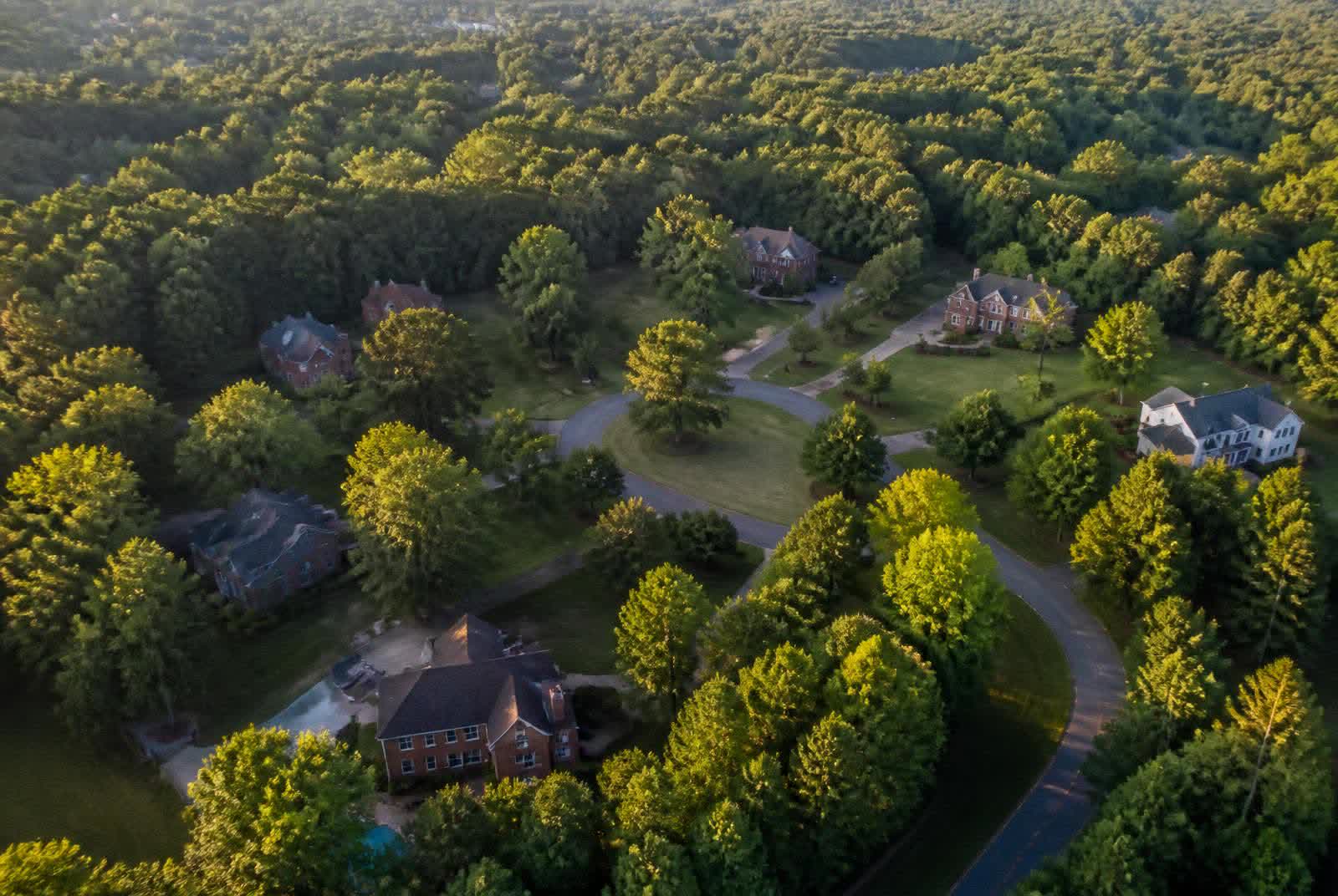
No invented averages. This is a method: which sources are authoritative, why the tax card and the market disagree, and the specific factors that move price in a custom-home village.
Marvin is a small village with a wide spread of housing: mid-2000s subdivision homes, large semi-custom homes inside planned communities, and one-off estates on private acreage. Two homes with the same square footage on the same street can differ by a large margin because one was built to a materially higher specification, or because one lot is flat, private, and pool-ready and the other is not.
Add modest transaction volume and the arithmetic problem becomes obvious: a village-wide average or median can swing on a handful of closings. Any number worth acting on is community-specific, tier-specific, dated, and sourced — and this site does not publish one, because a stale figure is worse than none.
Authoritative for parcel data, recorded square footage, year built, deed history, and assessed value. Use it to confirm the physical facts of a home — and remember assessed value follows the revaluation cycle, not the market.
Recorded deeds and plats establish ownership history, lot boundaries, and easements. Sale prices on recorded documents are the most durable transaction record.
The most current picture of what buyers actually paid, including days on market and concessions. Access typically comes through a licensed agent; ask for closed comparables in the same community and price tier.
Useful for direction, unreliable for level — especially in low-volume, high-variance markets like Marvin where a custom home has few true twins. Never treat an automated estimate as an appraisal.
A licensed appraiser reconciles comparables, adjustments, and condition for a specific property and date. This is the appropriate source when a real decision depends on the number.
Acreage, usable flat area, privacy buffer, tree cover, road exposure, and whether a pool or sport court can be added within setbacks and easements.
Original builder, structure and framing quality, window package, masonry detail, millwork, and mechanical design. In a custom-home village this varies enormously house to house.
How the square footage is arranged: primary-suite location, kitchen and scullery function, secondary bedroom count, home office, bonus and flex space, garage bays.
Roof, HVAC, water heaters, appliances, windows, and exterior materials. Documented replacement dates carry real weight.
Covered porch, outdoor kitchen, fireplace, pool and pool house, landscape design, irrigation, lighting.
Gate status, HOA dues and reserves, amenity condition, whether golf or club amenities are membership-based, and the resale record of similar homes there.
Assignment for the exact address, verified with Union County Public Schools.
Scope, quality, and permitting of prior work. Permitted, professionally executed renovation reads very differently from cosmetic refresh.
If you are researching a purchase, work through the verification list on the luxury homes page. If you own here and are weighing improvements against a move, the renovation guide covers which projects are common in this housing stock and what approvals they require. For the wider market context, see Marvin real estate.
Nothing on this page is an appraisal, a valuation, or investment advice. Property-specific value questions should go to a licensed North Carolina appraiser or real estate professional.
Public records for parcel facts, taxes, and deeds in Union County, North Carolina.
Reviewed for accuracy by the Living in Marvin, NC Editorial Desk — Local Editorial & Research Team, researching Marvin, North Carolina and Union County sources. This page describes method and sources rather than publishing market statistics; confirm any figure against current county records or MLS data.
Last reviewed
This guide is connected to the Peters family businesses below. If you are building, furnishing, buying, or selling a home in Marvin, each one is a single click away.
Designs and builds one-of-a-kind custom estates across the Charlotte area, from lot evaluation and plans through construction and closeout.
Visit Peters Custom HomesBuilds finished luxury homes on speculation — designed and completed ahead of a buyer, for households who want a new home without managing a custom build.
Visit Peters Signature HomesA Charlotte interior design studio led by Miriam Peters, working on custom homes, renovations, and new construction — finishes, furnishings, and full-home interiors.
Visit Emerald & Oak DesignPrivate luxury real estate representation for buyers and sellers, led by Nicholas and Miriam Peters, focused on the upper end of the Charlotte-area market.
Visit Peters & Associates luxury real estateResidential buying and selling across Charlotte and Lake Norman, with a home search and home-valuation tools — the broader-market side of the Peters real estate practice.
Visit The Peters TeamHome theaters, smart-home control, lighting, whole-home audio, networking, and security — best planned during design so wiring is in place before drywall.
Visit Peters Audio VideoLuxury travel guides, hotel reviews, and destination insights. A travel publication, separate from the home and real estate businesses above.
Visit Peters Signature TravelThese are Peters family businesses. This guide is published by the same family, so treat these as our own services, not independent recommendations.